-
David Graham Speaks at May 2005 Event About Need for Change at FDA
FDA was "the single greatest obstacle" as to Vioxx Withdrawal David Graham says the FDA, itself, was the "single greatest obstacle to doing anything effective" about getting the unsafe prescription drug Vioxx withdrawn from…
-
Natrecor Given Regularly to Outpatients is Focus of Current Safety Controversy
In May 2005 Scios Sent a Natrecor "Dear Doctor" Letter to Heart Doctors Natrecor is a prescription drug approved by the FDA as a therapy for hospitalized patients or those rushed to emergency rooms…
-
Viagra, Other ED Drugs Possibly Linked With Vision Loss and Blindness
FDA To Consider Warning Label Changes for Viagra, Cialis, and Levitra The FDA is investigating numerous reports of a possible serious side effect from the use of Viagra and other impotence, or erectile dysfunction…
-
Health Canada Announces Its Adverse Drug Reaction Database is Now Searchable by Public Online
FDA Should Follow Health Canada’s Lead and Permit Direct Access to MedWatch Adverse Reaction Reports Health Canada has announced it is now allowing direct access to the latest reported adverse reactions to prescription drugs…
-
FDA Drug-safety Oversight Efforts Must Improve to Avoid Another Vioxx Debacle
Dr. Garret FitzGerald’s Speech in May 2005 at Edinburgh, Scotland Dr. Garret FitzGerald, a highly regarded medical doctor at the University of Pennsylvania, told a conference in Edinburgh, Scotland that the problems surrounding the…
-
Crestor Side Effects: Reports to FDA MedWatch Analyzed by Tufts Doctors
Crestor-Rhabdomyolysis Link: New Study May Support Allegations by Public Citizen Group Rhabdomyolysis, proteinuria, nephropathy, and kidney or renal failure are serious side effects which apparently occur more often with the use of Crestor (rosuvastatin)…
Free. Confidential. No Obligation.
Free Case Evaluation
We encourage you to submit a Drug Injury Case Evaluation Form online – it is free, confidential, and there is no obligation. Or, if you prefer, call 910-256-2971 to speak directly to attorney Tom Lamb about a possible drug injury lawsuit. Either way, you will get Mr. Lamb’s impressions about your possible case, and the benefit of his over 25 years of experience handling drug injury cases.
About the Law Offices of Thomas J. Lamb
The Law Offices of Thomas J. Lamb has been representing patients and their families in drug injury lawsuits throughout the country for more than 25 years.
Drug injury cases involve personal injury claims or wrongful death claims filed on behalf of people who experienced unwanted side effects or a serious adverse reaction caused by a prescription drug. Some unsafe drugs have been the subject of government warnings or a drug recall, while other drugs remain on the market with black box warnings and continue to be prescribed by doctors today.
Given the many years of experience attorney Tom Lamb has handling these types of lawsuits, we know drug injury cases deserve special attention.
Drug injury claims have a personal aspect that must be appreciated and respected by the lawyer handling your case. At our firm, it is not class actions. Rather, we always file an individual case lawsuit. With this approach, you will get personal attention, and the lawsuit is only about your specific case. An individual lawsuit for your drug injury case is better from start to finish.
The Law Offices of Thomas J. Lamb will handle your drug injury case competently and professionally, as well as with genuine care and understanding. As our client, your email inquiries are responded to promptly, and telephone calls are always returned without delay if we are not available immediately.
We encourage you to submit a Drug Injury Case Evaluation Form – it is free, confidential, and there is no obligation. Or, if you prefer, you can call 910-256-2971 and speak directly to attorney Tom Lamb about a possible drug injury case. Either way, you will get Mr. Lamb’s impressions — not an intake person, a paralegal, or some other lawyer — about your case based on his many years of experience.
In closing, at the Law Offices of Thomas J. Lamb, we understand that you have options when it comes to finding the right law firm to handle your case.
Please know that we look forward to working on your behalf.
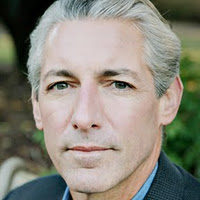
Tom Lamb
Handling drug injury cases since 1999